By Doug
September 23, 2026
Modern residential properties rely heavily on continuous electrical power to maintain everyday comfort, preserve food supplies, run essential medical equipment, and keep climate control systems operating during sudden utility failures. When unexpected electrical disruptions strike a neighborhood, having a dependable auxiliary power system ensures that daily routines continue without interruption or discomfort. Investing in secondary power infrastructure represents a major commitment to residential security and long-term convenience. Selecting the correct machinery requires thoughtful analysis of technical specifications, household energy demands, fuel availability, and installation requirements. Prospective buyers should carefully evaluate several fundamental factors before making a final purchasing selection. By asking targeted questions during the preliminary selection stage, property owners can identify systems that perfectly align with their operational needs and property layout. Installing whole home generators provides continuous operational stability, allowing families to maintain peace of mind regardless of surrounding grid conditions or incoming environmental challenges.
1. What Fuel Source Is Most Suitable for Your Property?
Selecting the appropriate fueling mechanism stands as one of the primary decisions facing any property owner seeking standby power solutions. Secondary power systems typically run on natural gas, liquid propane, or diesel fuel, each offering distinct operational advantages depending on geographic location and site infrastructure. Natural gas provides a continuous supply tied directly to municipal utility lines, eliminating the need for periodic manual refueling during extended utility outages. Conversely, liquid propane stored in dedicated onsite tanks offers high energy density and continuous availability even if municipal supply lines face disruptions. According to Generac Power Systems, severe weather conditions cause over 60% of power outages in the United States, driving increased demand for residential backup power solutions. Understanding local fuel availability helps property owners determine which energy source will provide maximum reliability when severe climate events disrupt normal electrical distribution. Integrating whole home generators with a stable fuel supply ensures seamless transition during grid failures.
2. What Power Capacity Is Most Suitable for Your Property?
Determining the necessary electrical capacity requires a thorough analysis of every appliance, lighting circuit, and mechanical system intended to operate during an emergency. Electrical loads are broadly categorized into continuous running demands and higher initial surge demands required when heavy motors kick on. Systems like central air conditioners, well pumps, refrigerators, and medical equipment require substantial electrical surges during startup cycles. Property owners must decide whether they prefer critical-load coverage—powering only selected essential circuits—or comprehensive whole-house coverage that supports every electrical fixture simultaneously. Choosing a unit with inadequate output can lead to system overloads, unexpected shutoffs, or potential damage to sensitive electronic devices. Conversely, selecting a unit that produces excessive capacity relative to actual demand can lead to inefficient fuel consumption and unnecessary mechanical wear over time. Consulting detailed electrical inventory assessments ensures the selected machinery provides sufficient capacity to match specific operational demands without compromising system longevity.
3. What Transfer Switch Is Most Suitable for Your Property?
A transfer switch acts as the central brain and vital safety bridge between municipal utility lines, the primary electrical panel, and auxiliary electrical systems. When primary electrical power drops out, the transfer switch senses the voltage loss, signals the secondary unit to start, and safely shifts the property's electrical load away from the main grid. This mechanical isolation prevents dangerous backfeeding, a hazardous phenomenon where generated electricity flows backward into utility lines, posing severe risks to utility line workers attempting grid repairs. Automatic transfer switches operate seamlessly without human intervention, immediately restoring electrical service within seconds of a blackout even if residents are away from home. Manual transfer switches require physical operation by the property owner, offering a simpler mechanical alternative for specific applications. Discussing transfer options ensures that whole home generators integrate safely into existing service panels while complying fully with local electrical codes and personal convenience preferences.
4. What Placement Location Is Most Suitable for Your Property?
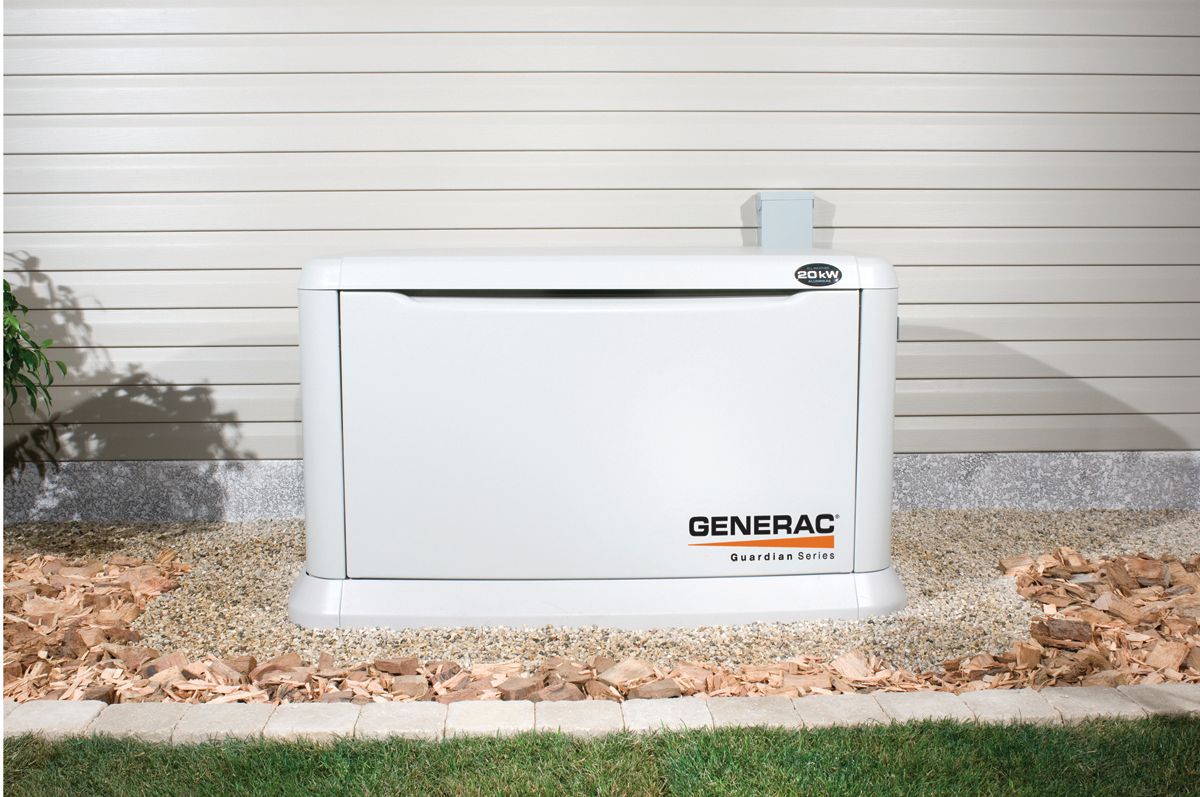
Identifying the ideal physical installation footprint on a residential parcel involves balancing technical safety standards, municipal building codes, environmental factors, and aesthetic preferences. Auxiliary power equipment must be situated outdoors on a firm, level pad, maintaining specific minimum clearance distances from windows, doors, intake vents, and combustible materials. Proper clearance is critical to prevent hazardous exhaust fumes, specifically carbon monoxide, from penetrating interior living spaces. Additionally, placement decisions must account for local setback rules regarding property boundaries, neighbor proximity, and ease of access for routine inspection or repair work. Environmental considerations such as flood elevation levels, snow accumulation patterns, and overhanging tree canopy branches also influence long-term placement stability. Selecting a location that provides ample ventilation, easy service access, and structural protection ensures optimal operation throughout all seasonal weather conditions.
5. What Maintenance Schedule Is Most Suitable for Your Property?
Like any complex mechanical system powered by an internal combustion engine, standby electrical equipment requires consistent ongoing care to remain fully operational during unexpected emergencies. Establishing a predictable routine maintenance schedule prevents mechanical failures, extends equipment lifespan, and guarantees rapid response whenever utility service drops out. Routine service tasks include regularly checking fluid levels, replacing oil filters, changing air filters, inspecting spark plugs, and examining battery charge health. Modern units frequently execute automated weekly exercise cycles, running for brief periods to self-lubricate engine components and verify system readiness. Property owners should clarify which routine maintenance tasks can be handled independently and which require professional technician inspections. Understanding the ongoing maintenance obligations associated with whole home generators guarantees that standby equipment remains ready to handle prolonged electrical interruptions without unexpected mechanical failure.
6. What Noise Level Is Most Suitable for Your Property?
Sound output represents an essential evaluation criterion, particularly in densely populated suburban neighborhoods where residential homes sit close to adjacent property lines. Standby engines produce sound during weekly exercise cycles and active operational periods, generated primarily by engine combustion and mechanical air displacement. Sound ratings are measured at specific distance intervals, usually evaluated across standardized decibel scales during normal operational loads. Modern manufacturers incorporate sound-attenuating enclosures, insulated cabinet walls, and specialized quiet-mode mufflers designed to minimize ambient acoustic footprints. Municipal noise ordinances often specify maximum allowable decibel limits at property boundaries, making sound management a key compliance factor during site selection. Evaluating sound specifications prior to setup allows property owners to select models that maintain quiet neighborhood atmospheres while delivering full electrical support during grid failures.
7. What Warranty Coverage Is Most Suitable for Your Property?
Comprehensive warranty protection offers essential security for property owners investing in permanent electrical backup infrastructure. Manufacturer warranties vary widely regarding duration, covered components, labor protection, and specific claim requirements. Standard warranties typically cover major mechanical and electrical assemblies against manufacturing defects for set calendar periods, while extended coverage options can broaden protection across additional operational years. Clarifying warranty terms before finalizing equipment purchases ensures long-term operational confidence and protects your equipment against unforeseen component issues. Selecting whole home generators backed by strong manufacturer warranties provides peace of mind throughout the entire lifespan of the equipment.
Asking essential questions regarding fuel options, output capacity, transfer mechanics, placement rules, maintenance schedules, sound levels, and warranty coverage ensures a successful transition to complete electrical independence. Thorough preparation during the selection phase allows property owners to choose equipment tailored specifically to their residential layout and functional needs. Incorporating whole home generators safeguards families against sudden utility interruptions, ensuring ongoing comfort and operational safety during grid failures.
If you are ready for enhanced electrical security and dependable home protection, contact us at Lebanon Seibert Electric today. We will help you select, position, and install the perfect secondary power system for your household.